


More work ahead
- pull every row by hand12-18 hr per acre of crew time
- haul, dump, pay tipping fees$110-$240/load
- re-condition compacted soilrecovery can take years

plastic mulch costs more after the season — pulling, hauling, dumping, replacing depleted soil
būmigro™ biodegradable mulch film delivers the same crop protection as PE plastic mulch film, without the microplastics, toxins, and cleanup costs that follow

Every season, būmigro™ mulch film becomes nutrient-rich organic biomass that regenerates your soil and increases microbial activity.
ETH Zurich's peer-reviewed work on PBAT-family bioplastics showed polymer carbon transfers into microbial biomass rather than persisting as fragments. The FAO has called for exactly this substitution to cut the ~1.2 Gt CO₂e tied to ag plastics.
the cost shows up after harvest, not before — būmigro™ biodegradable mulch film does that
meet growers and field experts leaving plastic behind
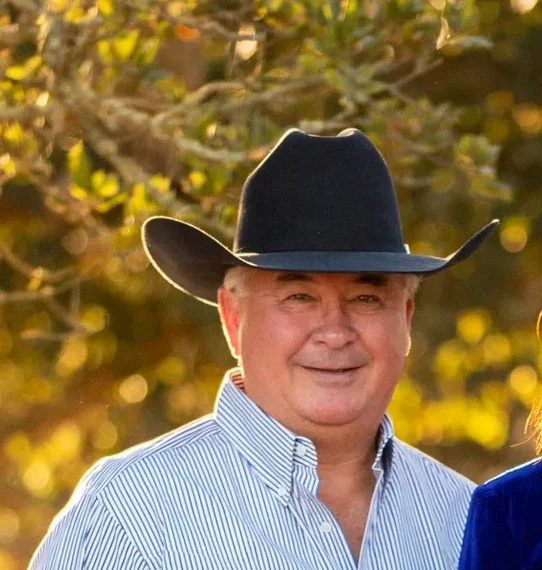
The biggest limitation with recycling plastic mulch film is how long it's been in the soil. Plant debris and soil make it harder to get cleaned up and recycled.
Over the years plastic mulch film has had a huge impact on the input cost and expense of growing vegetables. The soil residue also contains small pieces of plastic that can't be picked up over time.
As a farmer, sustainability is important to me, but every decision must also make economic sense. Agriculture operates on tight margins, and for any new solution to be widely adopted, it must be both environmentally responsible and financially practical. That is why I believe what būmi is doing has the potential to make a real difference — an innovative solution that addresses a significant environmental problem while remaining economically viable for growers and businesses.
The biggest limitation with recycling plastic mulch film is how long it's been in the soil. Plant debris and soil make it harder to get cleaned up and recycled.
Over the years plastic mulch film has had a huge impact on the input cost and expense of growing vegetables. The soil residue also contains small pieces of plastic that can't be picked up over time.
As a farmer, sustainability is important to me, but every decision must also make economic sense. Agriculture operates on tight margins, and for any new solution to be widely adopted, it must be both environmentally responsible and financially practical. That is why I believe what būmi is doing has the potential to make a real difference — an innovative solution that addresses a significant environmental problem while remaining economically viable for growers and businesses.
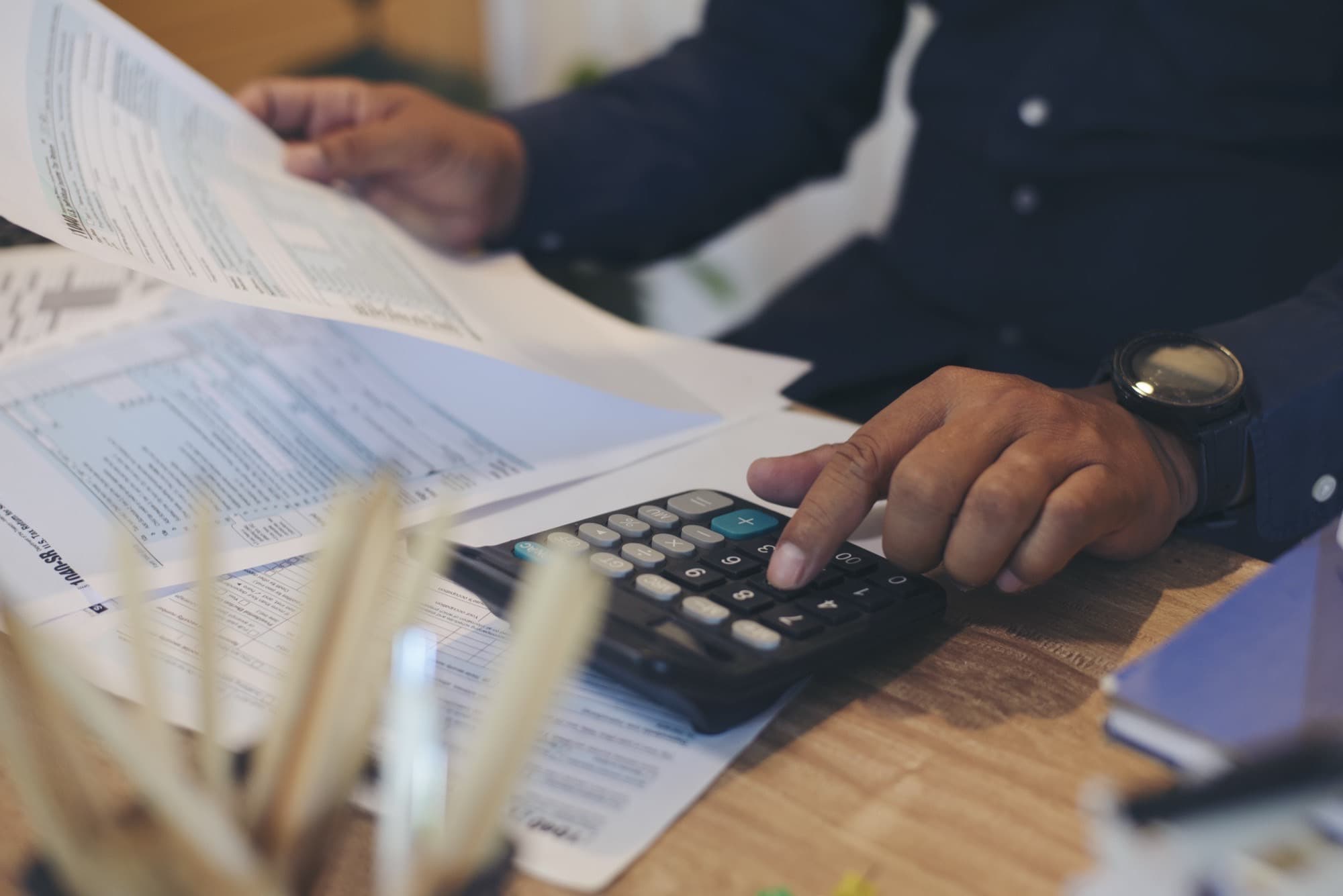
your personalized cost comparison, automatically generated from real data


